There follows a guest post by my friend Alex Lane – he’s Welsh (Taffy), as you might guess from the article and I’m happy that I once taught him to enjoy rabbit kidneys.
 It is often erroneously said that Britain has no national dish or that all the food we eat is brown. I think that it is rather damning and unfair to say so, as there are some wonderful regional dishes which deserve to be mentioned.
For the purposes of this wander through some of my favourite eats I am going to confine myself to the food of what could more strictly called my Motherland of Wales (the women are strong minded and usually the boss there).

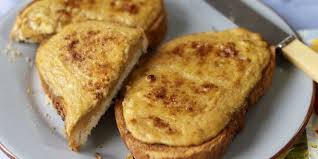
There are many dishes that could be considered welsh because of their ingredients or because of historic connections. I am thinking here of Welsh cakes, Bara brith, Caerphili Cheese, Glamorgan Sausages, Welsh Rabbit (Rarebit) and so on.
Three Dishes stand out as icons of y bwyd cymru (the food of Wales). Cawl, Cockles and Laverbread.
CAWL
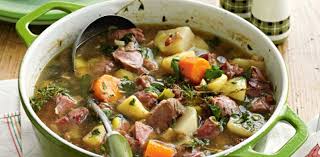
Every culture has a variation of this hearty winter dish. But what makes this very welsh is the Lamb or Mutton that is used in its preparation. Receipts for Cawl stretch back as far as the 14th Century. It consists of Lamb (welsh of course) or mutton cooked with leeks, carrots, turnips or more likely sweed, and potato, all cut into similar sizes and slowly simmered in water. At the end it is thickened with either oatmeal or flour.
There are some suggestions that it was eaten in two courses, the Stock first and then the meat and vegetables, but I have never experienced it this way, just eating it as it is with large chunks of Bread and Butter. Of course it is better eaten the second or even third day.
“Cawl cennin”, or leek cawl, can be made without meat but using meat stock. In some areas this is often served with bread and cheese.
LAVERBREAD
Laverbread or bara lawr is an important traditional food. A national delicacy made from seaweed, it is washed and then cooked to a soft greenish black paste. Made from laver, one of the most nutritious varieties of seaweed, laverbread is full of health benefits. Rich in minerals and vitamins, full of protein and low in calories, this is a real superfood. A rare plant source of vitamin B12, it is also full of iron and iodine.
It is especially found in South Wales around the Swansea and Gower peninsula area. Traditionally eaten as a breakfast dish eaten with fatty bacon and cooked in the Bacon fat, and often eaten with fried eggs and Cockles. Having said all this it is a very acquired taste!

COCKLES
On the northern coast of the Gower peninsula in South Wales, you will find the coastal village of Penclawdd. In this area of rugged beauty, you can stand at the shoreline and feel the ancients calling as strongly as the pull of the unpredictable tides. not so very long ago, you would have seen the cockle-women of Penclawdd bent to their arduous task. As the ebbing tide retreated they would populate these sands, scraping away at the sand to expose the burrowing molluscs they would work at gathering the cockles until the tide decided to turn. The waters in these parts show no mercy and the exhausted women needed their wits about them should the tide begin to advance.
Cockles as I have said formed part of a traditional welsh breakfast. One of my earliest memories of eating cockles is in Swansea market in the pram eating a ¼ of a gill with pepper and vinegar – bliss.
Many welsh restaurants will serve cockles and bacon with a salad garnish and brown bread and butter as a starter, again a very good way to serve them.
Since the 1970s, the number of restaurants and gastropubs in Wales has increased significantly there are currently seven Michelin starred restaurants located in the country.
 My Kind of Food
December 1, 2016 at 7:05 pm
Great article! Cawl and Welsh cakes made with my late Mamgu’s (Grandma) recipe are just heavenly 😊 And I’m now hankering after some laverbread too! But not the cockles 😳 Thanks for sharing!
LikeLike